
Intentional Style Stories
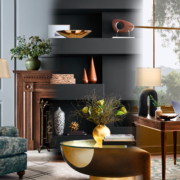
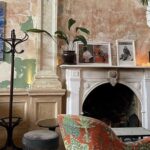
Building intentional style stories evolves design into a deeper purpose, where every object, texture, and colour choice reflects a personal history, value, or lifestyle. We are expanding b.e.house design as a branded environment consultancy where experiential design meets bold storytelling to evolve your personal or commercial style narrative. We take this evolution personally because branding is an intimate experience.
INTENTIONAL STYLE
How do personal style narratives create unique environments? Personal style is more than just a mood board and a stack of swatches. It’s a cumulative body of evidence displayed by the way someone moves through a space without thinking about it. This applies to both residential and commercial spaces where brand identity sets intentional style. The curation of objects you’ve kept for decades, the art on the walls, the trips you’ve taken, and even the way you present yourself through fashion have become part of a storyline you never knew existed.
At b.e.house design, we call the practice of translating that evidence into environmental spaces a personal brand narrative. This involves intentional style choices curated for impact. We are crafting feelings into identity, memory into aspiration, and emotional attachment into something tangible. Light, art, fabrics, proportion, interpretive design, and flow build this translational narrative. We’re taking your persona history, values, and taste and converting them into a visual storyline you can experience daily.
HOW IT WORKS
It begins with identity, not inventory. Before any material or layout decision is made, a personal style narrative begins with excavation. What do you value? What stories do you want a room to tell? What do you want to feel the moment you walk in? It’s closer to brand strategy than traditional decorating. We’re defining a style story the same way a brand defines a voice.
Material becomes vocabulary. Every material choice communicates something: warmth, permanence, playfulness, restraint. Someone drawn to craftsmanship might gravitate toward hand-finished wood and visible joinery. Someone who values calm and control might lean into matte, low-contrast palettes. We treat material selection as sentence-building, not trend-following.
Flow becomes emotional pacing. How a homeowner moves through their home mirrors how they want to move through their life. Open, uninterrupted sightlines can signal a desire for spontaneity and connection. Layered, compartmentalized spaces can reflect a need for ritual or focus. We design the sequence of a home — entryway as decompression, kitchen as gathering, bedroom as retreat — not just its individual rooms disconnected from emotion.
Objects stay anchors, not clutter. This is where personal style narrative diverges the most from generic design. Inherited furniture, travel finds, art with a story are treated as anchors we curate around, so the finished space feels authored by the person living in it, not by a generic showroom feeling.
Light and colour become mood infrastructure. Personal style often shows up most clearly in how someone wants to feel at different times of day. We design light temperature, window treatments, and saturation to support real rhythms — energizing where needed, softening where needed — rather than applying one static palette throughout.
EVOLVING THE NARRATIVE
Intentional style creates a living document. Because personal style shifts with new relationships, new careers, new chapters, we design with enough flexibility — neutral architecture and statement-but-swappable pieces — that the story can keep being written without a full renovation every few years.
This is also why a personal style narrative scales. The same methodology that shapes a single homeowner’s living room is the one driving branded environments and destination design in commercial spaces today. When employee retention and customer experience are increasingly tied to how a space feels, the team thrives. It is not just how it looks. It defines the brand story, translating it into a statement that connects with the client through brand identity. It evolves. By allowing the space to reinforce identity over time, you create permanence.
That’s the throughline of this partnership between b.e.house design and Quintessance Design — bringing over ten years of commercial interior design content and a growing design community together around one idea: style, applied with intention, is never just decoration.
It’s identity made spatial.